European Development Partners Witness Climate-Smart Agriculture Taking Root in Katete
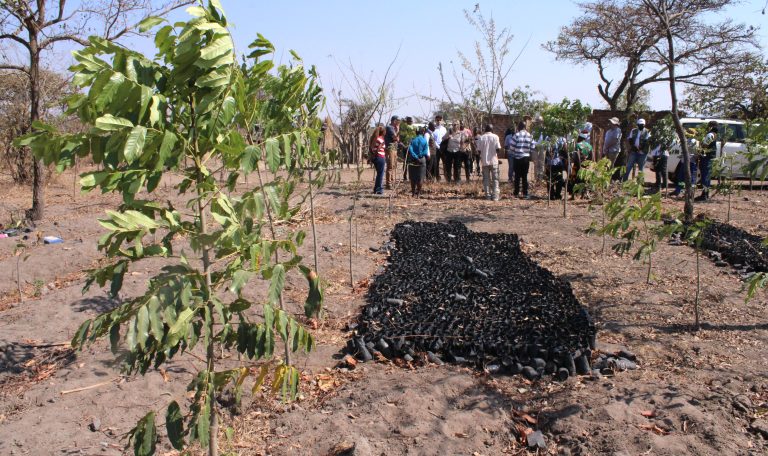
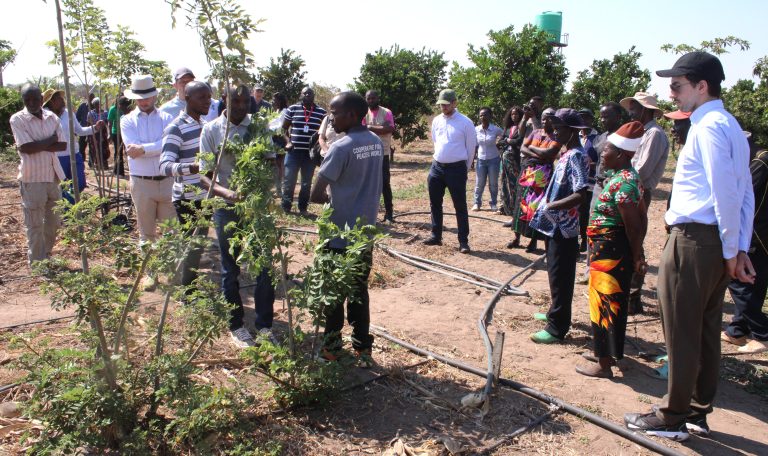
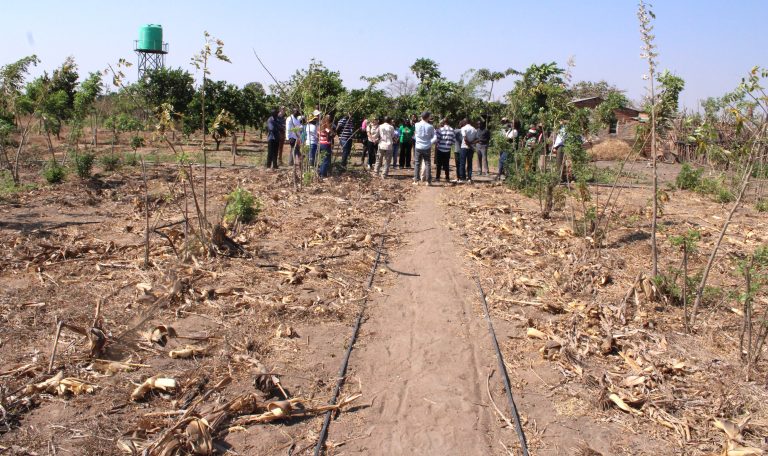
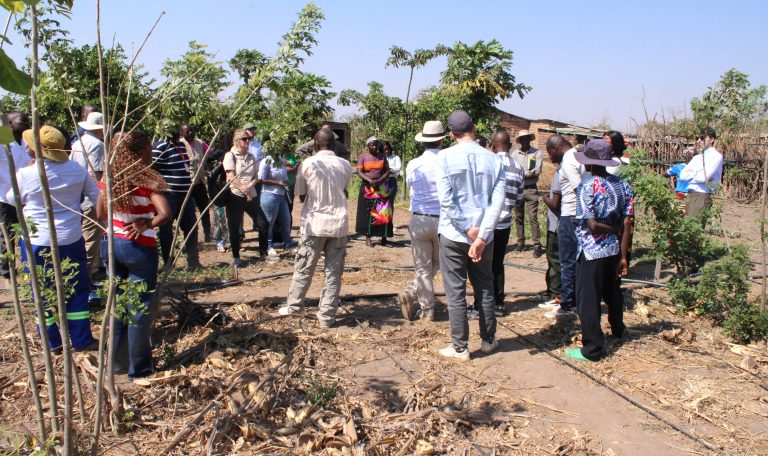
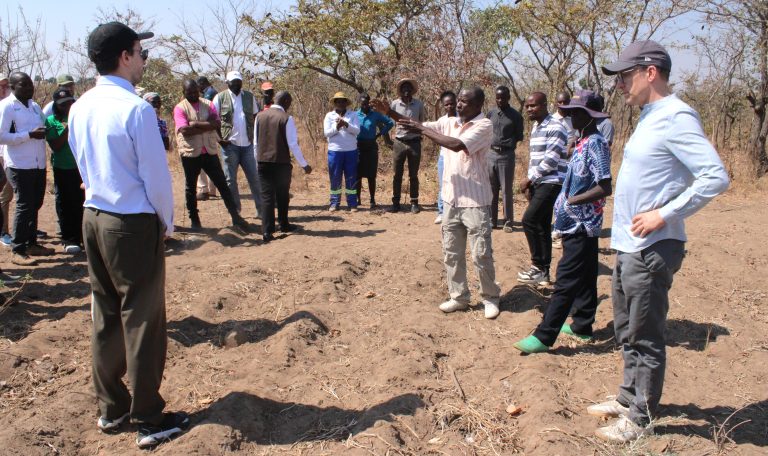
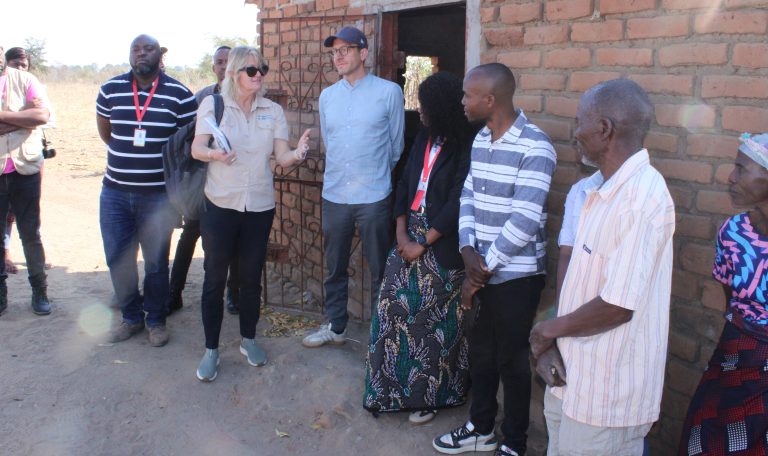
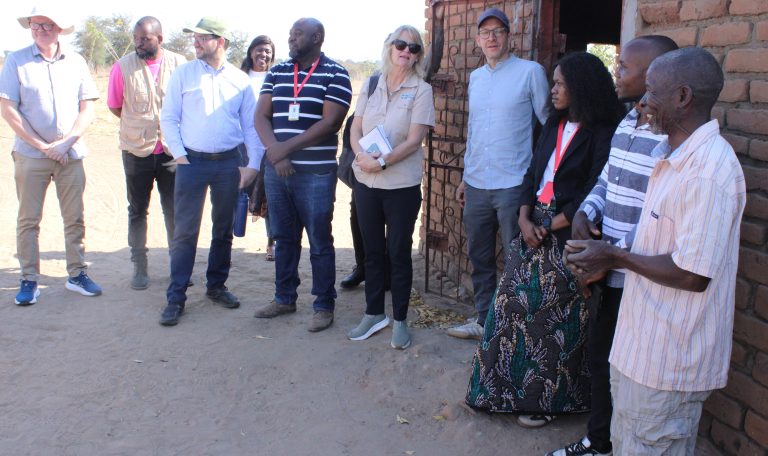
A high-level delegation consisting of representatives from European diplomatic missions, the government and development partners paid a visit to a Climate-Smart Agriculture (CSA) and Agroforestry Farmer Field School in Dole, Katete District, in order to see the innovative practices that farmers there are adopting in order to build resilience to climate change.
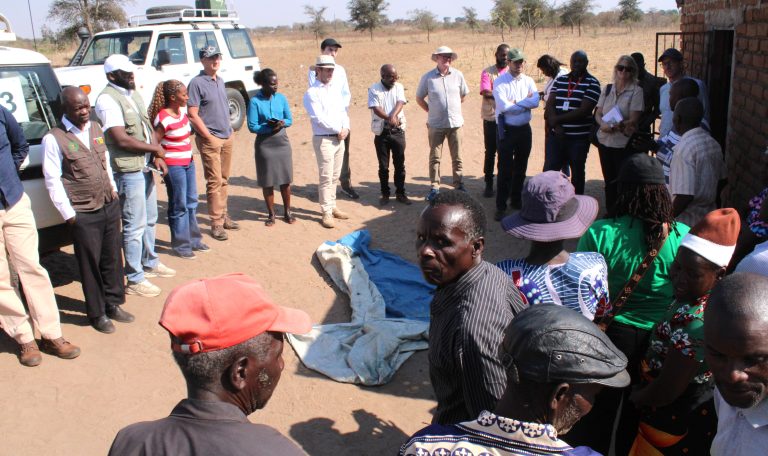
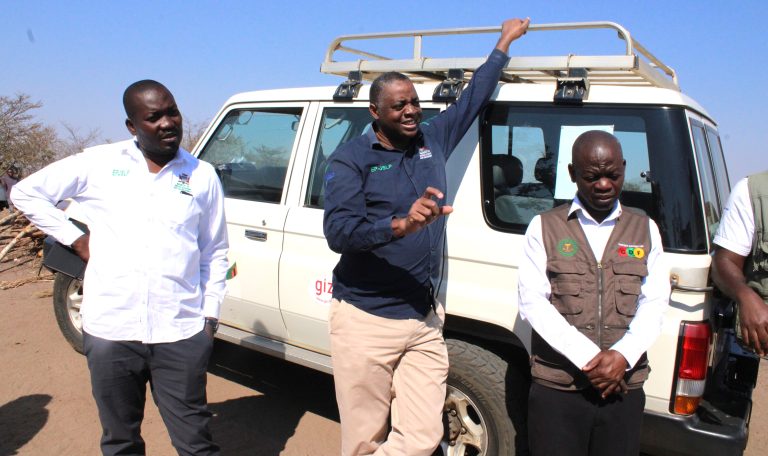
The visit, organized by Eastern Province GIZ Agri-Food Cluster, brought together the British Deputy High Commissioner to Zambia Simon ten Brinke-Jackson, the Deputy Head of Mission and Head of Cooperation at the Embassy of Sweden Christina Wedekull and Deputy Head of Mission at the Embassy of Germany Andreas Pletziger.
The group also consisted of Noel Muchimba, Project Coordinator for the Eastern Province Jurisdictional Sustainable Landscape Programme-EP-JSLP, acting Katete District Commissioner Paul Ngongolo and other senior officials.
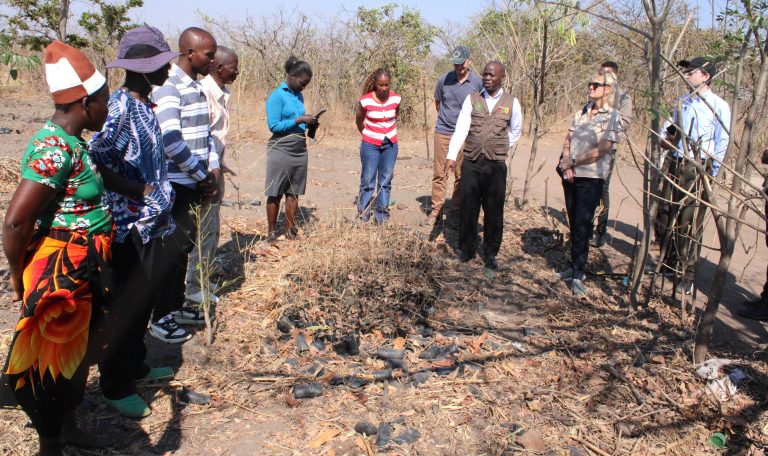
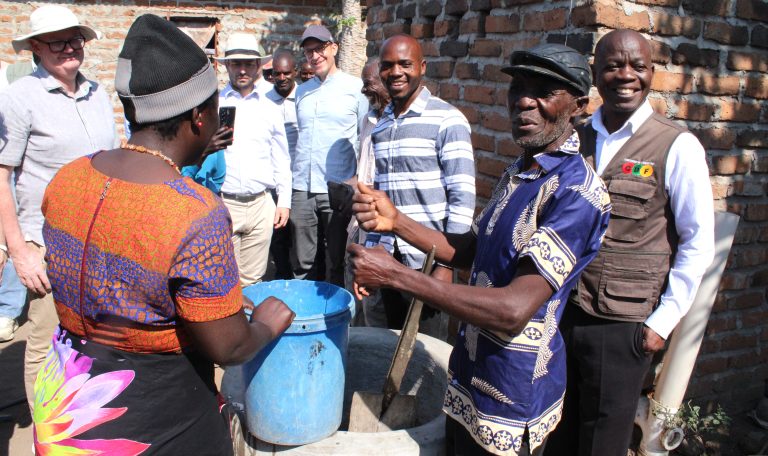
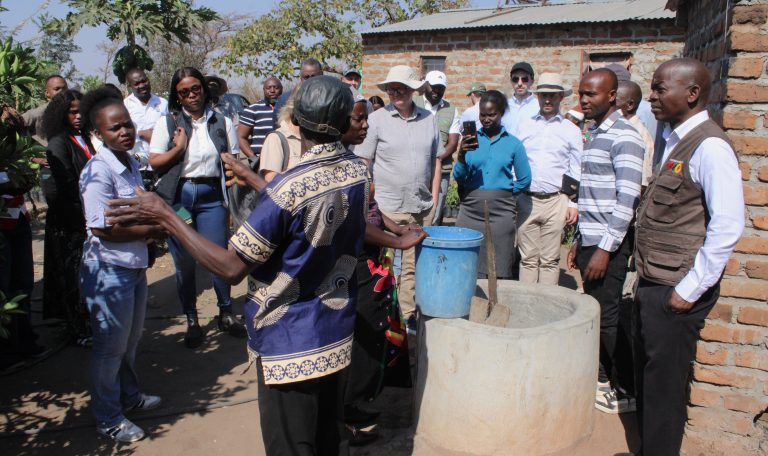
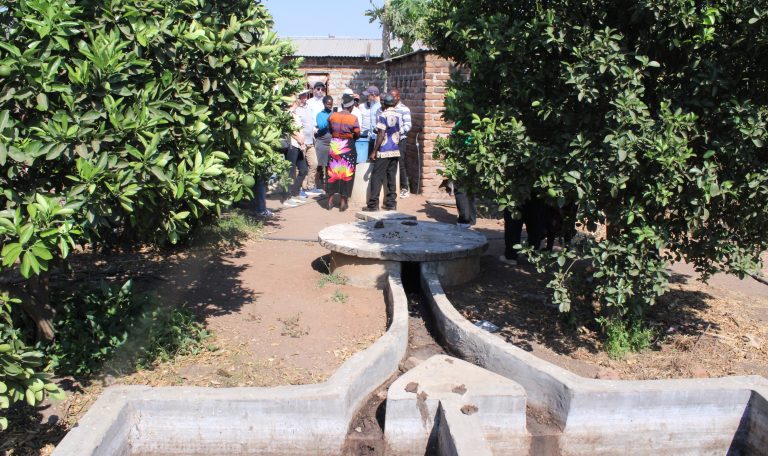
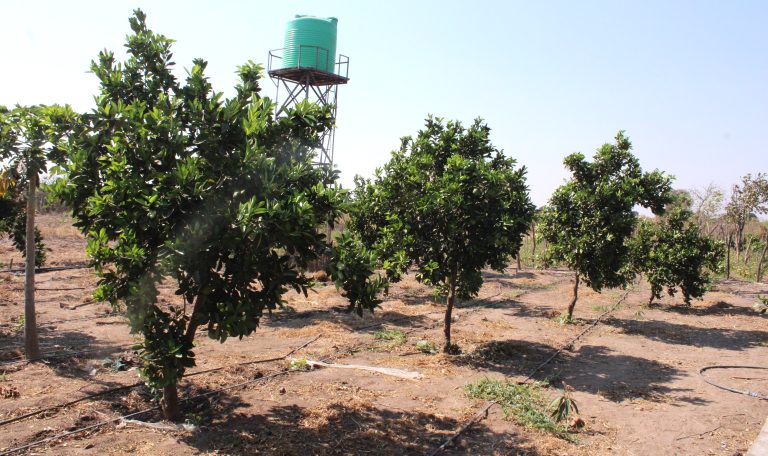
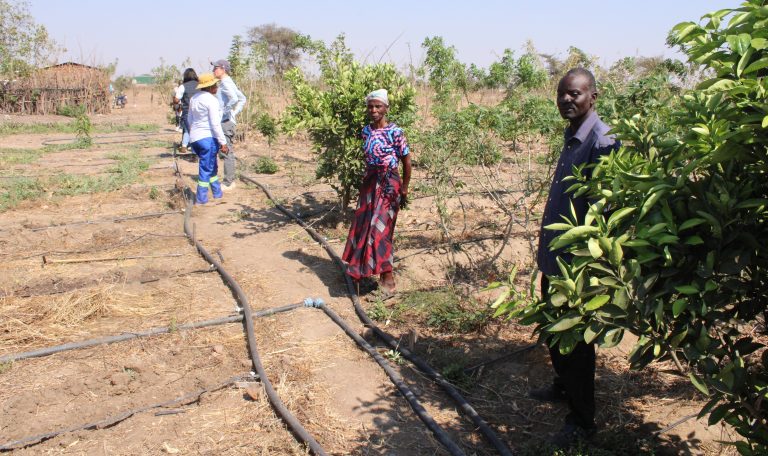
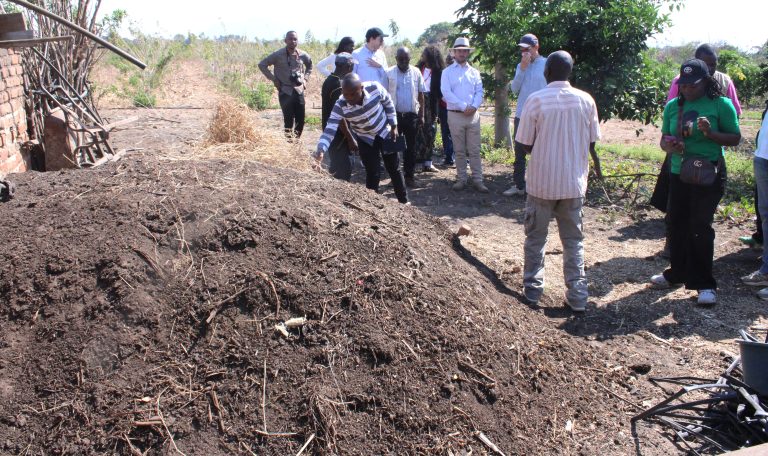
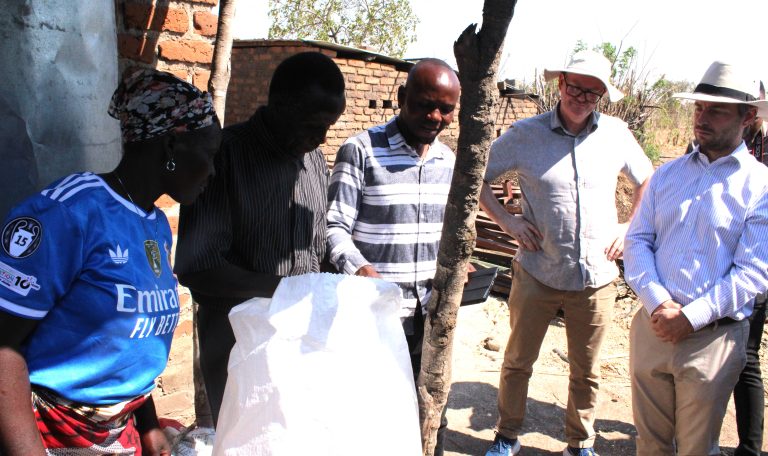
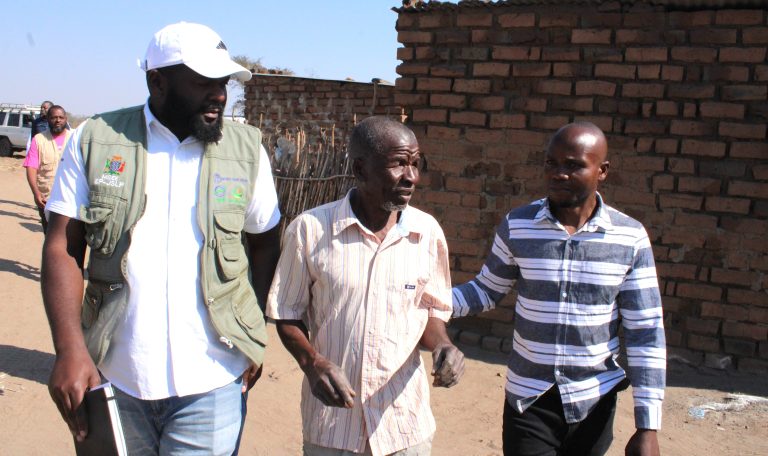
At the Farmer Field School supported by the UK and the World Bank, leading and host farmer Stanley Mbewe demonstrated his use of agroforestry and climate-smart agriculture, together with irrigation, metal silos and the production of household biogas.
Mr. Mbewe expressed his thanks to the EP-JSLP for the training and support which it has given to farmers, pointing out that these measures are helping to improve food security, livelihoods and resilience to climate change.
The delegation also had contact with the members of the Dole Farmer Field School, including Solobati Phiri, who explained their experiences and showed examples of Climate-Smart Agricultural practices that had been promoted.
Speaking on behalf of the delegation, British Deputy High Commissioner to Zambia Simon ten Brinke-Jackson praised the progress that farmers are making in adopting climate-smart agriculture technologies and urged more farmers to learn from and copy the successful practices shown by other farmers.
He also stressed the need for cooperation between the government, development partners, and other stakeholders.
The trip has once again shown the dedication of the Government and its cooperating partners to enhancing climate resilience, promoting sustainable agriculture and landscape restoration and farmer-initiated innovation, as well as encouraging the sharing of knowledge and the wider acceptance of successful measures.
The EP-JSLP is implemented by the Government of the Republic of Zambia through the Ministry of Green Economy and Environment, with support from the World Bank, while Climate-Smart Agriculture interventions are implemented through the Ministry of Agriculture.
By Creavat Chituta-EP-JSLP Communications Officer
#ClimateSmartAgriculture #Agroforestry #EPJSLP #EasternProvince #Katete #ClimateAction #SustainableAgriculture #FoodSecurity #FarmerFieldSchool #LandscapeRestoration #WorldBank #GIZ #UKZambia #IrelandZambia #GermanyZambia #SwedenZambia #Zambia #ClimateResilience #S
ustainableLandscapes