Eastern Paco Calls for Forestry-Led Yield Growth, Stronger Climate Preparedness
By Ushely Joseph Puttana
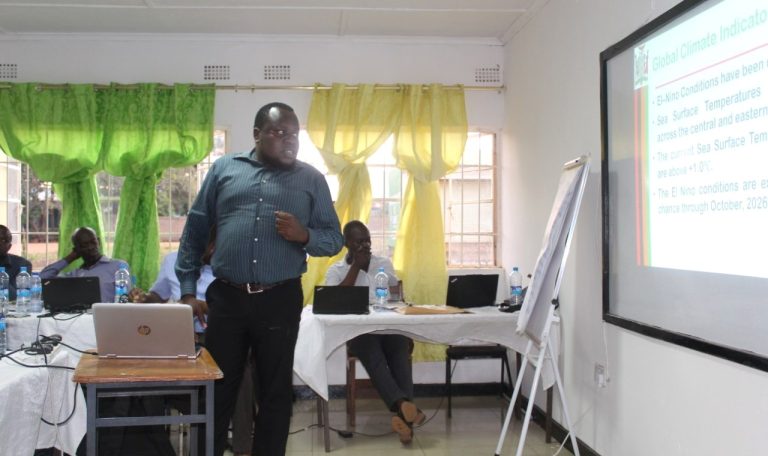
Eastern Province is placing greater emphasis on climate-smart agriculture as it works towards achieving the Eastern Province Jurisdictional Sustainable Landscape Programme’s (EPJSLP) objectives in the next quarter.
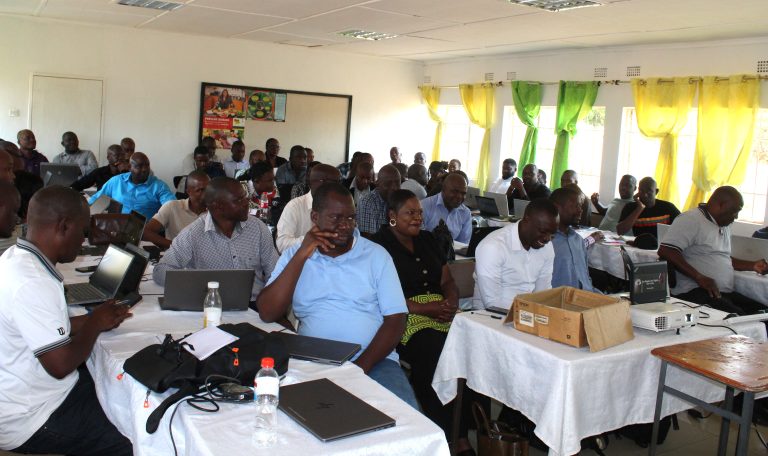
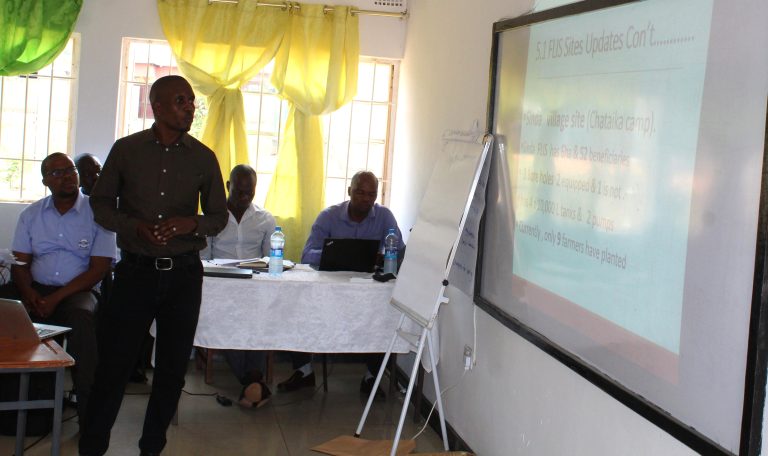
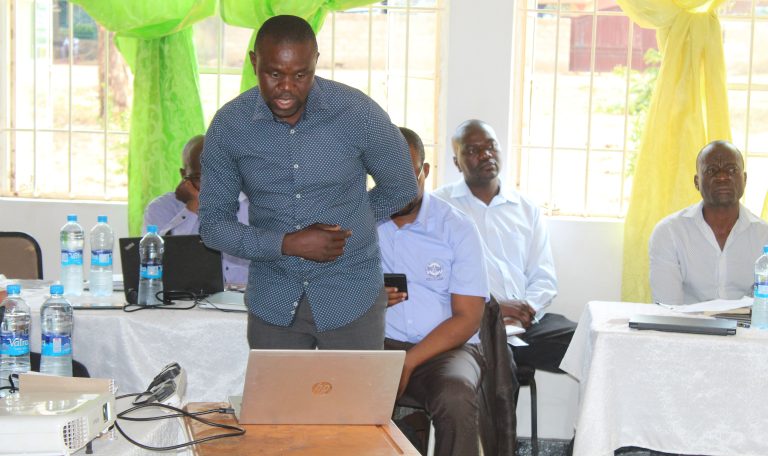
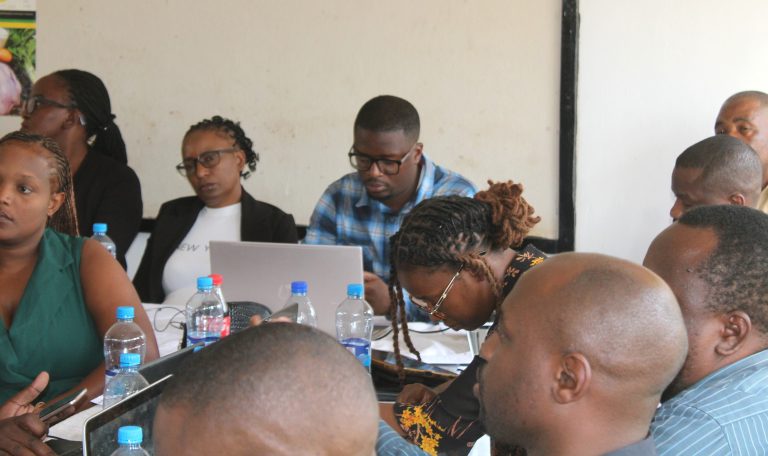
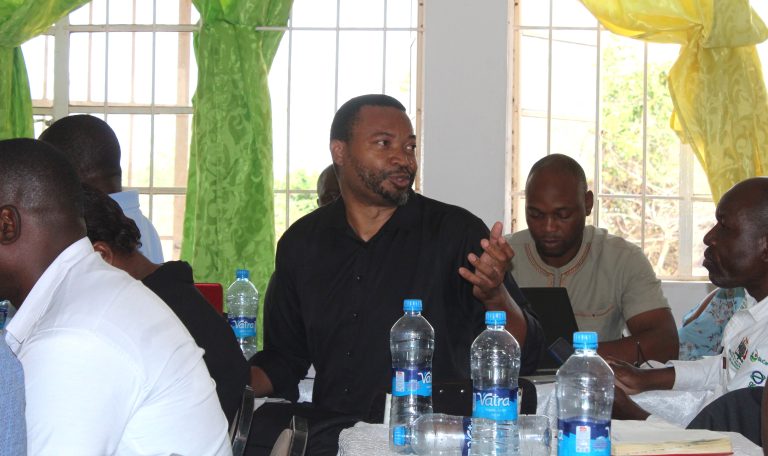
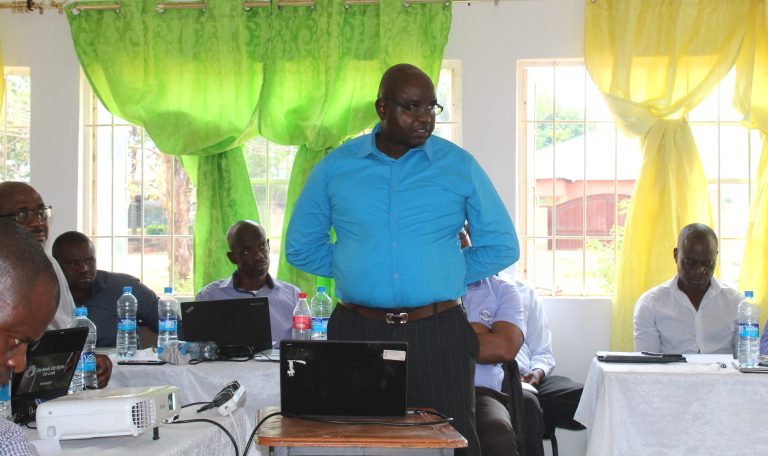
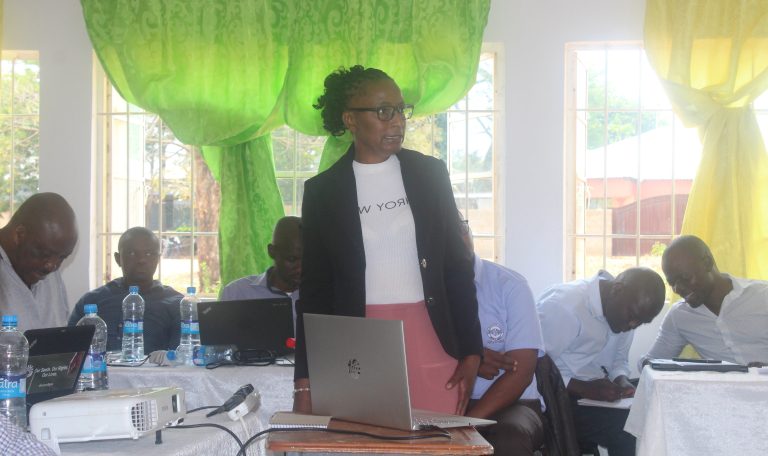
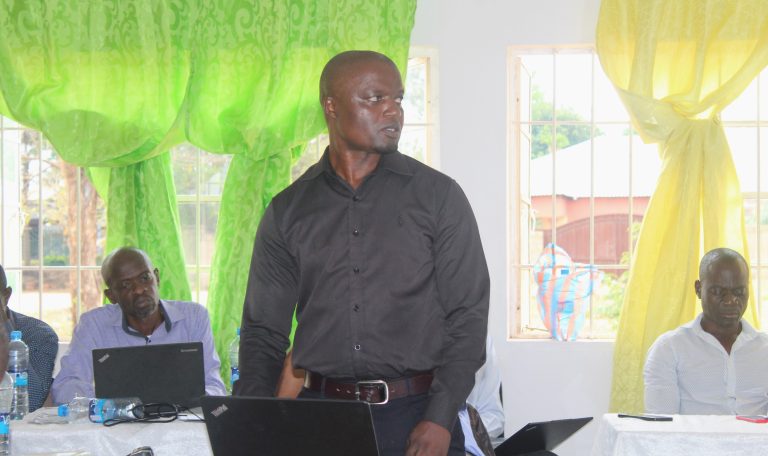
At the programme’s review and planning meeting in Nyimba, provincial agricultural leaders highlighted the need to connect forestry with increased crop yields, strengthen practical farmer learning and understand climate risks at district level.
Eastern Province Provincial Agricultural Coordinator Victor Zulu said agriculture benefits significantly from forestry and called for those benefits to feed into the agenda of increasing yields.
His message brought the relationship between landscape management and agricultural production into focus, highlighting the need to connect programme interventions with outcomes that matter to farmers.
Mr Zulu also disclosed that discussions were underway with stakeholders such as Zamseed to establish demonstration plots alongside Farmer Field School plots.
The proposed demonstrations could strengthen practical learning by giving farmers opportunities to observe the approaches being promoted, ask questions and discuss their relevance to local conditions.

Meanwhile, Provincial Agricultural Officer Kelvin Chinama called for greater focus on Climate-Smart agriculture, highlighting the province’s commitment to advancing EPJSLP’s objectives in the next quarter.
His emphasis placed climate-smart agriculture among the priorities for the coming implementation period, connecting the review of progress with the province’s direction for subsequent activities.
The focus also complements Mr. Zulu’s call to link forestry’s contribution to agricultural productivity. Together, the messages point towards closer coordination between landscape interventions, farmer learning and production goals.
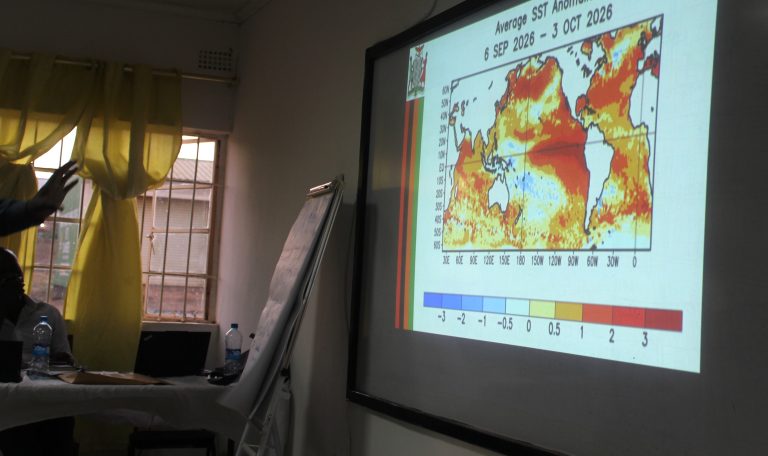
Mr. Zulu further called on districts to fully understand the implications of El Niño within their respective areas.
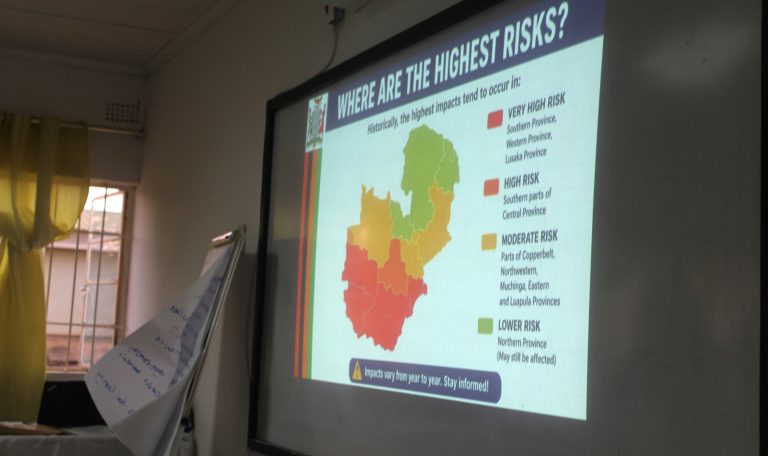
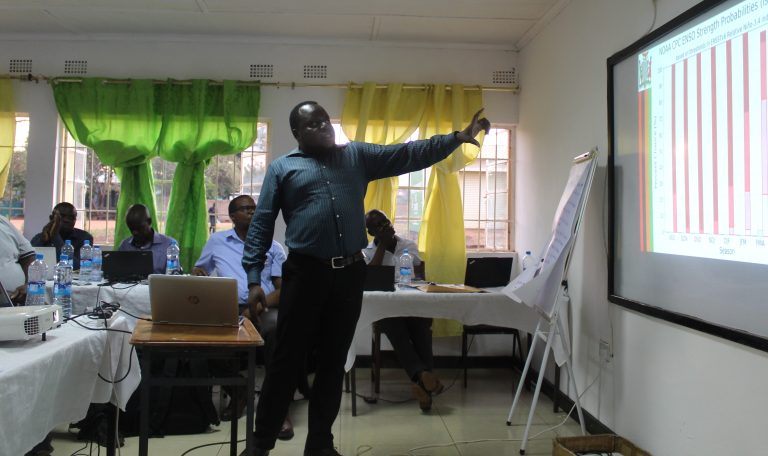
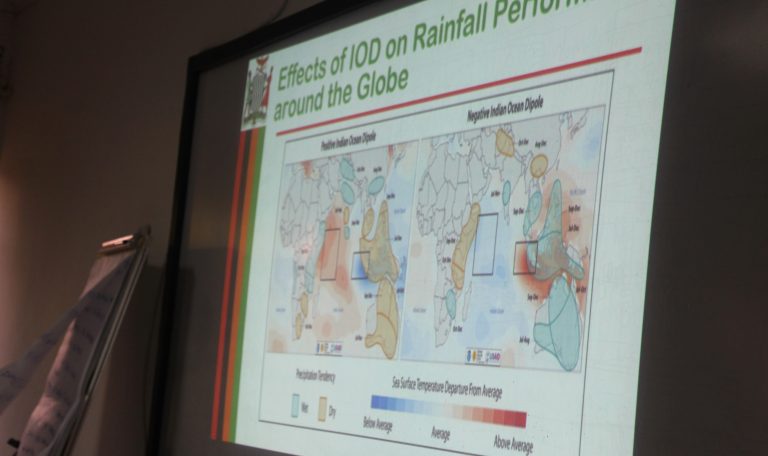
And speaking at the same meeting, Provincial Meteorological Officer Daniel Mumbo addressed El Niño and encouraged districts to use the forecasts received from the Meteorological Department to guide their planning.
Mr. Mumbo urged district teams to take the predictions into account when preparing agricultural activities, reinforcing the need to translate climate information into practical preparedness measures.
His remarks complemented Mr Zulu’s call for districts to understand local climate risks. Together, their messages highlighted the importance of using meteorological information to inform district plans and the guidance provided to farmers.
For farmers participating in Farmer Field Schools, the arrangement could bring technical guidance closer to their everyday production decisions. It would also create opportunities to discuss the challenges involved in applying new practices.
The proposed demonstrations and the renewed focus on climate-smart agriculture provide a practical connection between the meeting’s discussions and work in the field.
For extension personnel, that connection depends on communicating clearly, responding to farmers’ questions and helping them relate recommended practices and climate forecasts to their own circumstances.
As EPJSLP moves into its next quarter, attention will turn to how these priorities are reflected in implementation.
The measure of progress will be how effectively programme plans reach farmers, strengthen climate preparedness and support the agricultural objectives outlined at the Nyimba meeting.
-NAIS-