
From Indigenous Fruit to Economic Opportunity: Msekera Showcases the Value of Vizimbiri
By Creavat Chituta-EP-JSLP
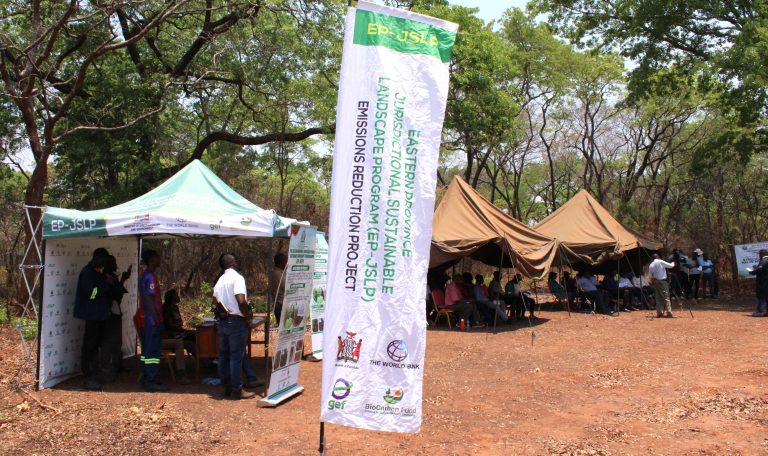
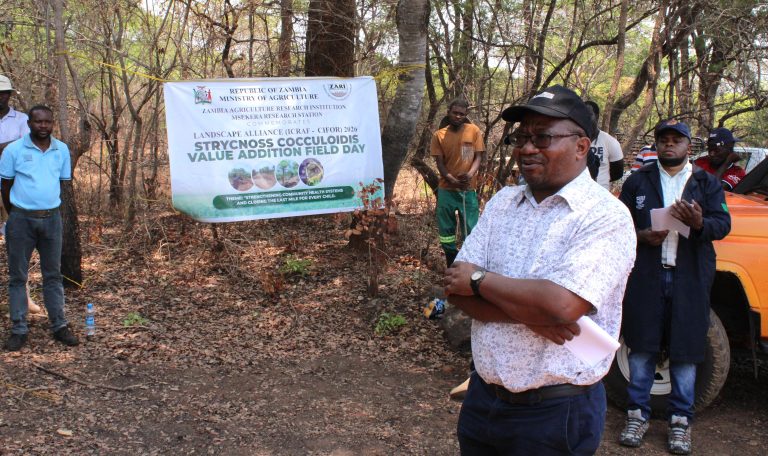
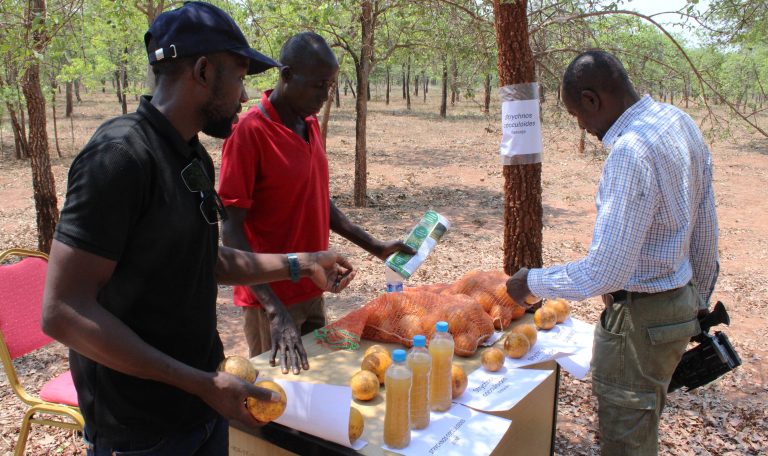
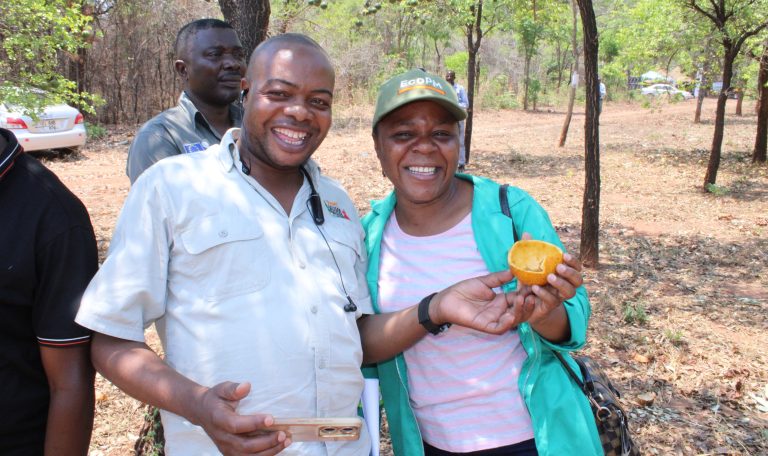
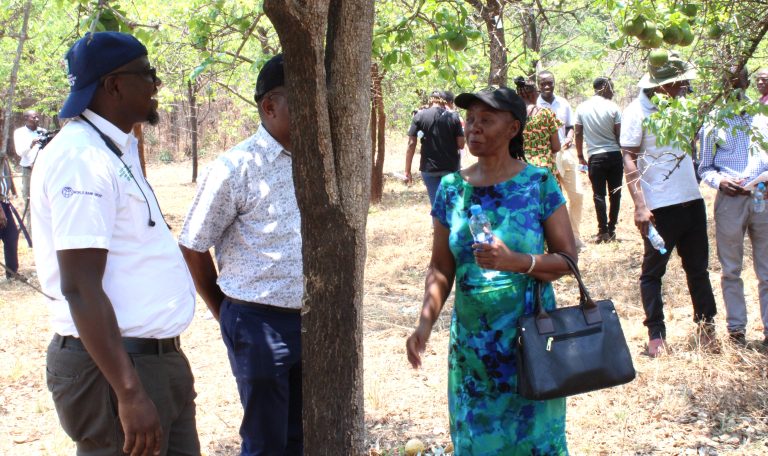
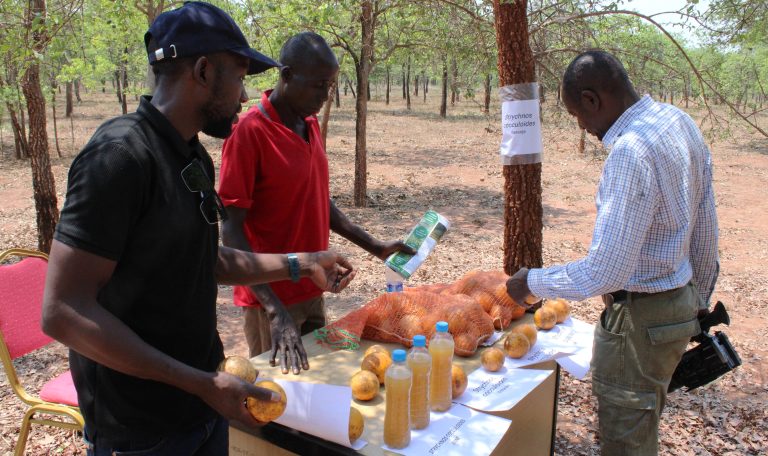
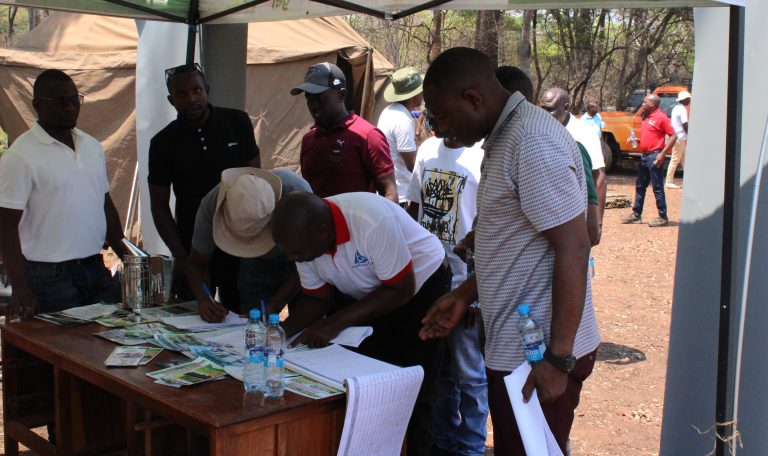
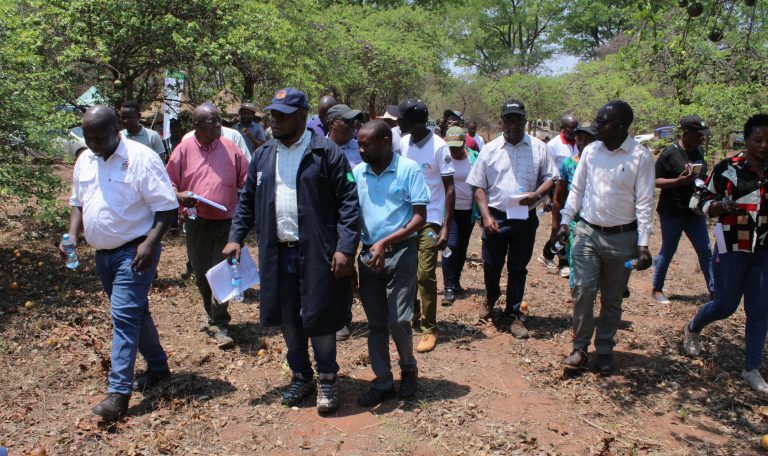
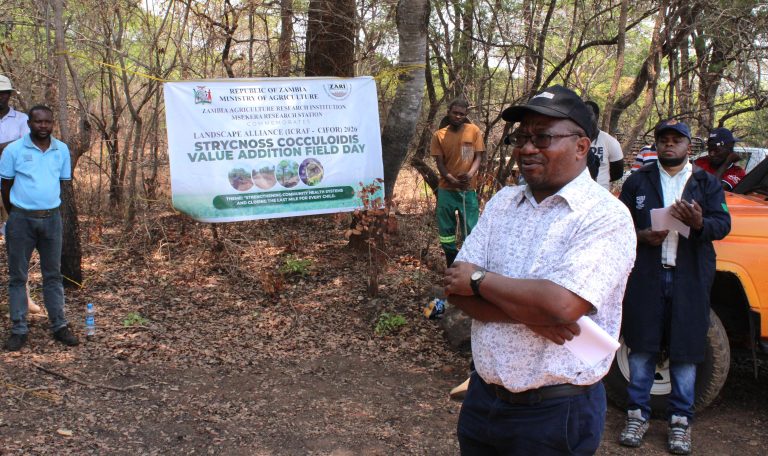
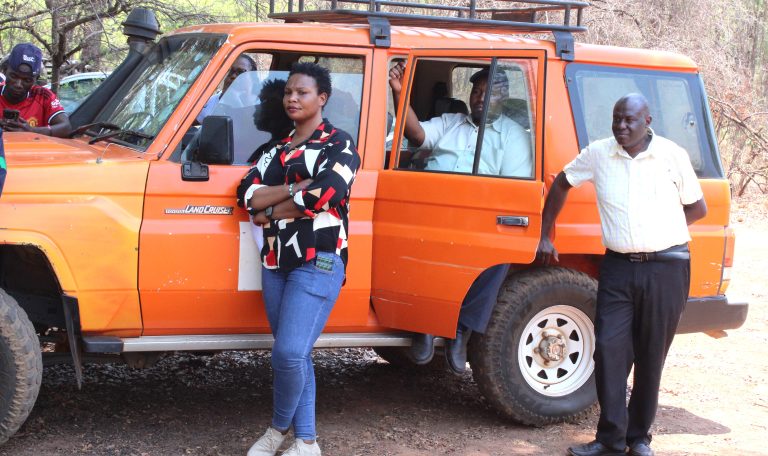
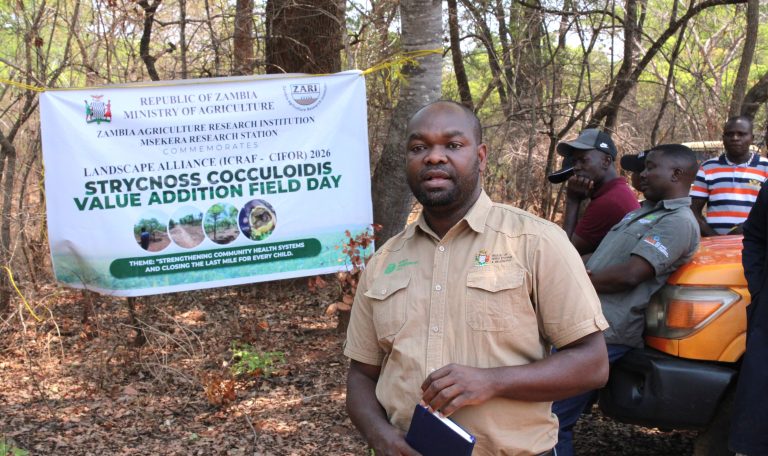
Msekera Research Station in Chipata yesterday hosted its inaugural Strychnos Field Day under the theme “Value Addition to Strychnos,” bringing together stakeholders from different agricultural value-chain subsectors to explore the potential of Strychnos cocculoides, locally known as vizimbiri or tuzimbili, in research, value addition and economic development.
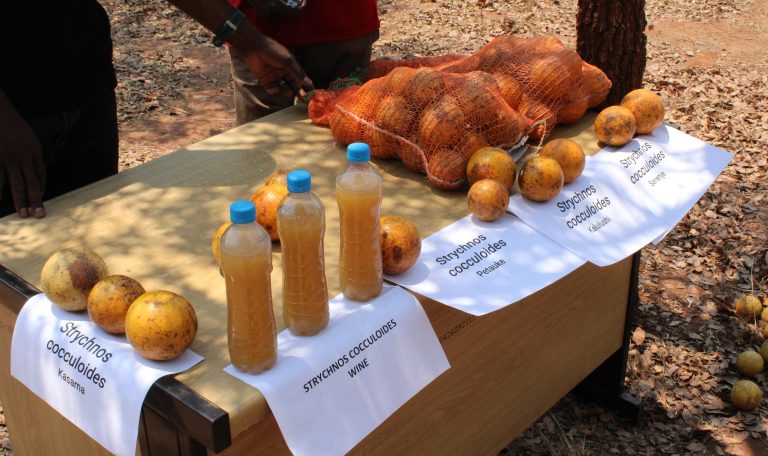
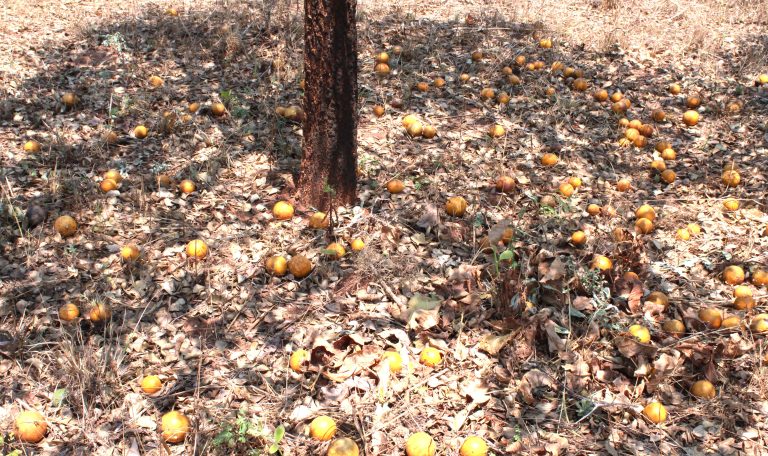
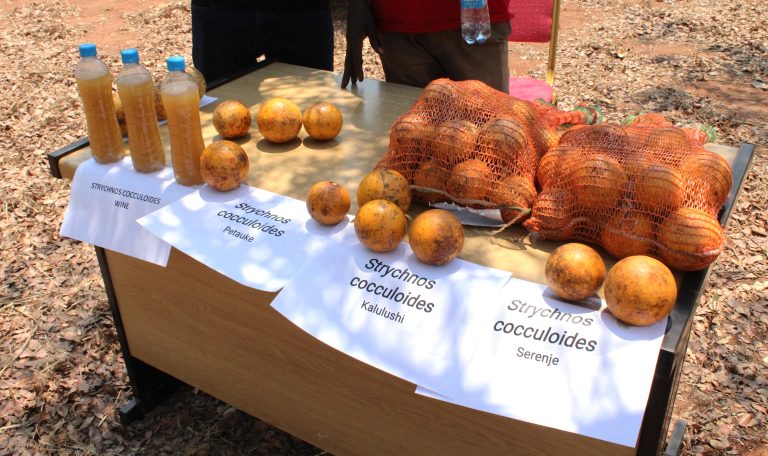
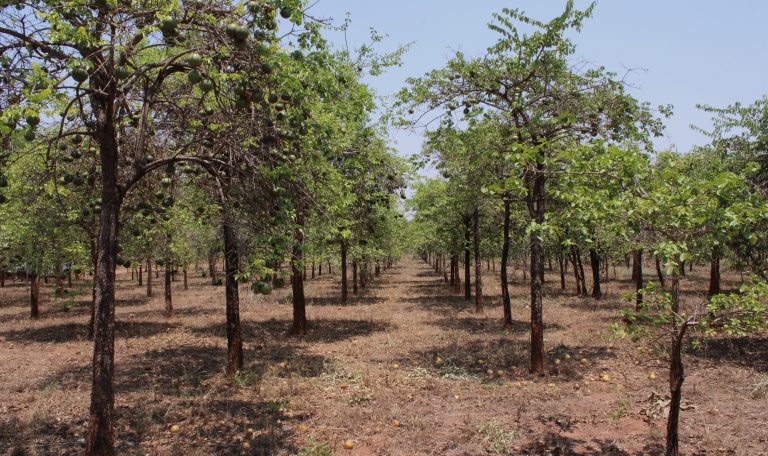
Established in 1998 with support from the International Centre for Research in Agroforestry (ICRAF), now part of CIFOR-ICRAF’s Landscape Alliance, the four-hectare genebank conserves indigenous monkey orange genetic material collected from Petauke, Kalulushi, Serenje and Kasama districts.
It comprises 88 families, providing opportunities to study fruit characteristics, taste, size and growth patterns.
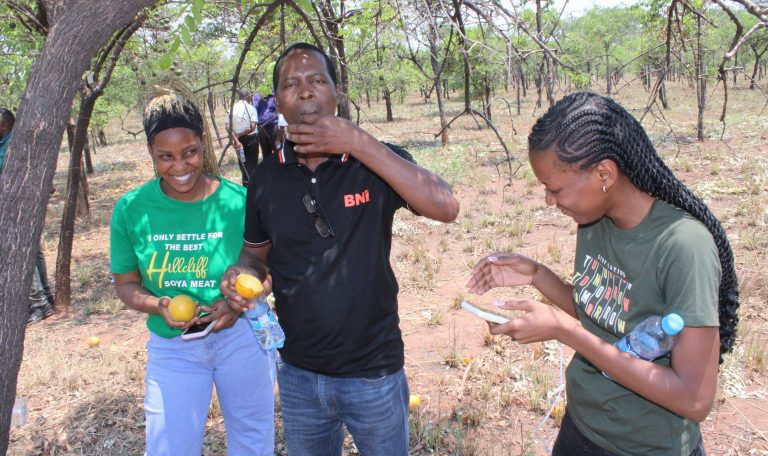
The field day showcased opportunities to transform the nutritious indigenous fruit into value-added products, including juice, jam and wine, while highlighting its potential to support household nutrition, income generation, job creation and agricultural diversification.
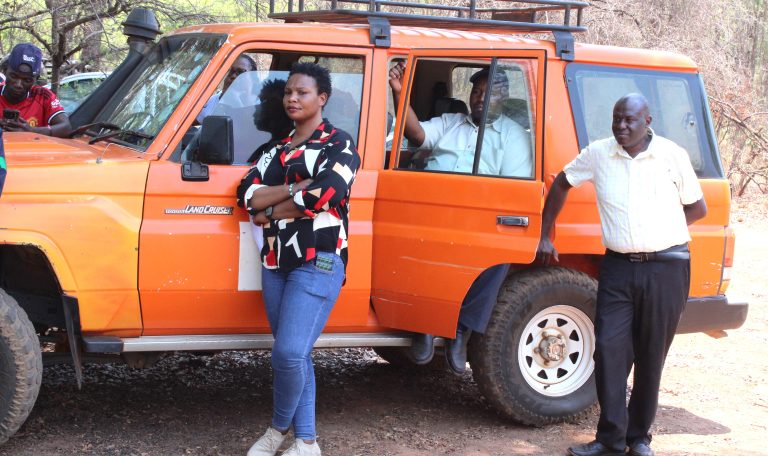
The Zambia Agriculture Research Institute (ZARI) Director, Dr. Ndashe Kapulu, was represented by ZARI Chief Agriculture Officer, Mr. Maffart Khosa, who attended as the representative of the Guest of Honour.
Tree Scientist and Landscape Alliance Malawi Country Representative, Dr. Isaac Nyoka, called for stronger collaboration between Msekera Research Station and the University of Zambia to advance research and value addition for indigenous fruits.
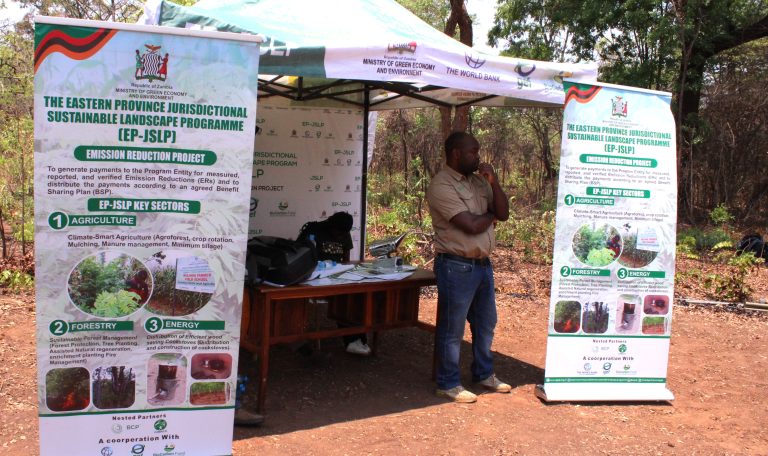
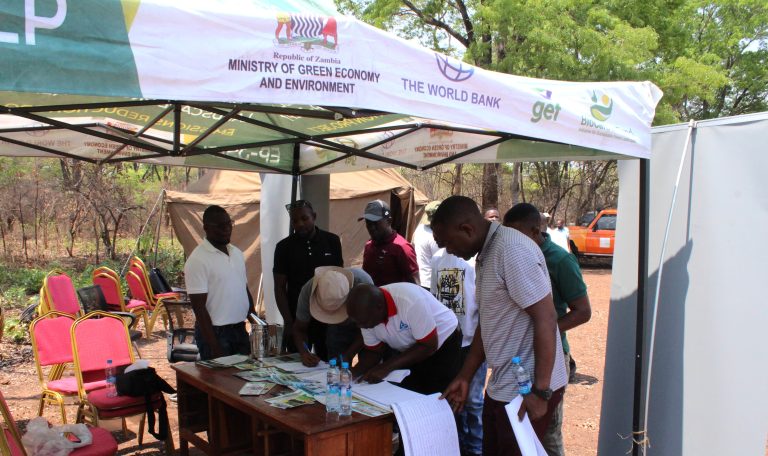
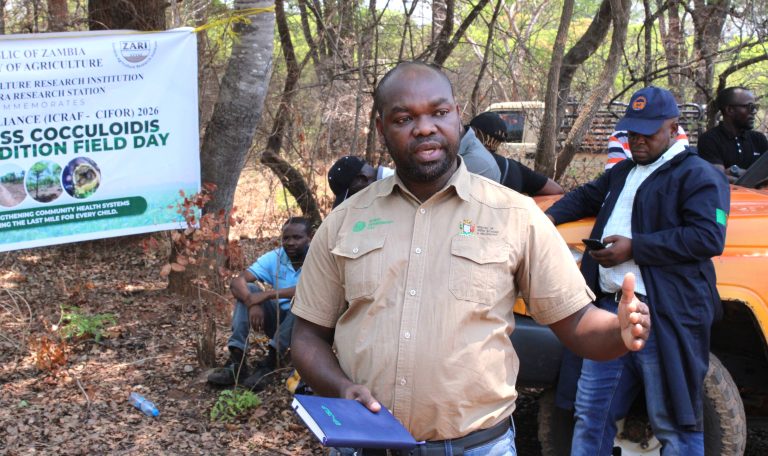
Meanwhile, the Eastern Province Jurisdictional Sustainable Landscape Project-EPJSLP EP-JSLP Project Coordinator, Mr. Noel Muchimba, was represented by acting Monitoring, Reporting and Verification Technical Officer, Mr. Brian Mutasha.
Mr. Mutasha, alongside representatives of nested private carbon developers Community Markets for Conservation-COMACO and Biocarbon Partners-BCP, highlighted the genebank’s potential to support carbon trading and contribute to the Grow Zambia Agenda through agricultural diversification, job creation and improved livelihoods.
Beyond their nutritional and economic value, indigenous fruit trees such as vizimbiri offer opportunities to support biodiversity conservation, sustainable land management and climate change mitigation.
The field day underscored the importance of collaboration among research institutions, government, farmers, communities and private-sector partners in unlocking the commercial potential of indigenous fruits while conserving valuable genetic resources.
From conserving indigenous genetic resources to unlocking new markets, vizimbiri holds promising opportunities for sustainable livelihoods and a greener future.
📸 Photos by Agatha Sianga and Fortune Masela-NAIS Interns
#EPJSLP #MsekeraResearchStation #Vizimbiri #Tuzimbili #StrychnosCocculoides #ValueAddition #IndigenousFruits #AgriculturalResearch #GrowZambia #ClimateSmartAgriculture #BiodiversityConservation #SustainableLandscapes #RuralLivelihoods #EasternProvince